
 App screen: fictional people and data
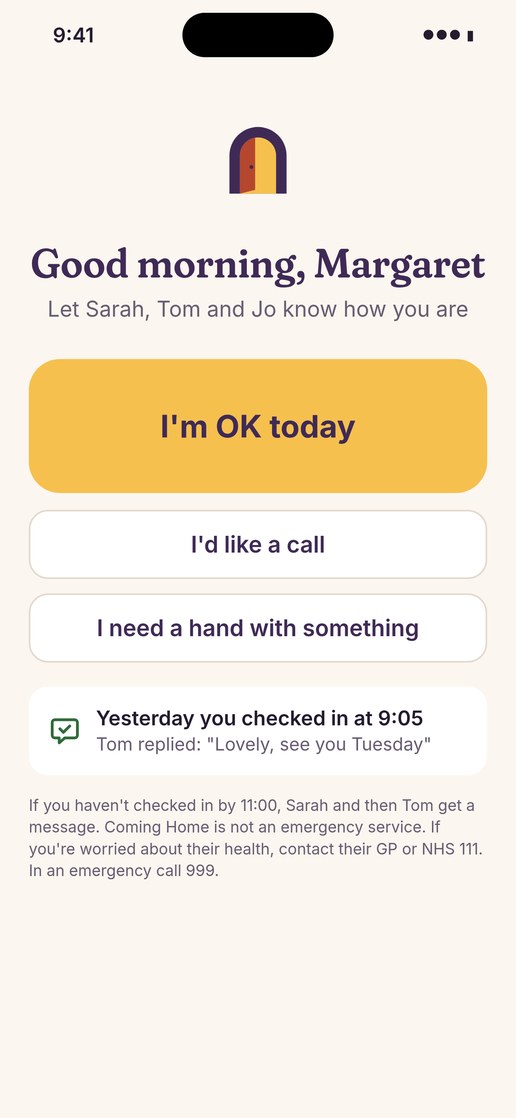
Coming Home: Family Care
Our own iPhone app for families looking after someone at home, including questions to ask the ward, a home readiness list and a shared 30 day plan.
People should leave hospital when they are ready, get the right support at home, and be looked after by care teams who want to stay. When one of those links is weak, the whole system slows. We help NHS teams, councils, care providers and their suppliers find where things get stuck and fix it, with workflow analysis, data, digital tools, training and marketing.
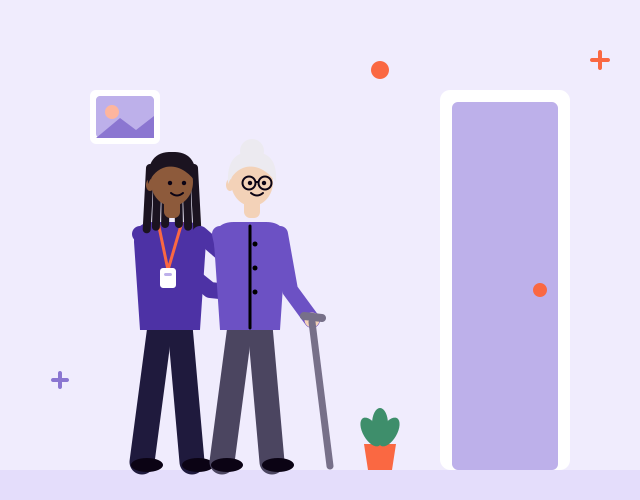
A hospital can only discharge someone when the next step is ready, often a care package at home or a bed somewhere else. That next step depends on care providers who can keep their clients and keep their staff. So patient flow, client retention and carer retention are not three separate projects. They are three views of the same journey, and improving one helps the others.
Helping care providers and suppliers keep the people and organisations they serve.
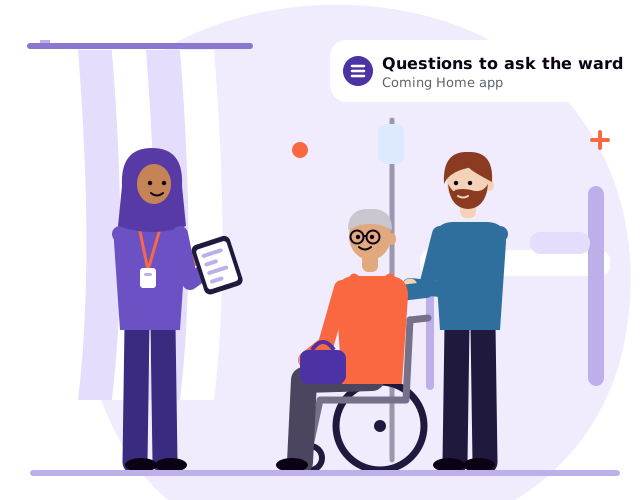
Go to sectionMost people leave hospital on the day they are ready. For those who do not, every extra day is a day away from home, and a bed that someone else is waiting for. Delays usually build up where hospital teams, councils, community services and care providers hand over to each other.
of patients leaving acute hospitals in August 2026 were discharged on the day they were ready to leave. 14.3% left one or more days later.
Source: NHS England, Discharge Ready Date statistics, August 2026 [S1]
patients a day, on average, were still in hospital in September 2026 although they no longer needed to be there.
Source: NHS England, Acute discharge situation report, September 2026 (management information) [S4]
was the average wait from being ready to leave to actually leaving, for patients whose discharge was delayed in August 2026.
Source: NHS England, Discharge Ready Date statistics, August 2026 [S3]
Under the discharge to assess model and home first approach to hospital discharge, the vast majority of people are expected to go home (that is, to their usual place of residence) following discharge.
Department of Health and Social Care and NHS England, Hospital discharge and community support guidance, updated 26 January 2024 [P1]
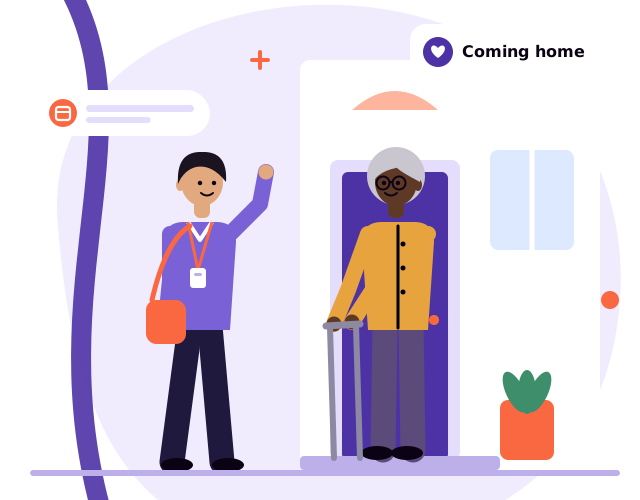
For a care provider, every client who leaves early, and every family who chooses someone else, means lost income and a broken relationship. For a supplier, every council or provider that does not renew is a gap to fill. Keeping customers starts long before a contract ends.
people received publicly funded long term care in 2024/25, up 3% on the year before.
Source: The King's Fund, Social care 360, published April 2026 [S7]
Care depends on people. Recruiting care workers costs time and money, new starters need support to settle in, and good carers need reasons to stay. The national figures show both progress and pressure.

staff turnover in the independent adult social care sector in 2025/26, down from 24.7% the year before.
Source: Skills for Care, The size and structure of the adult social care sector and workforce in England, 2026 [S8]
vacancy rate in adult social care in 2025/26, about 96,000 vacant posts, and around three times higher than the wider economy.
Source: Skills for Care, The size and structure of the adult social care sector and workforce in England, 2026 [S9]
turnover among care workers in their first year in a role, compared with 12.6% for those with 20 years or more.
Source: Skills for Care, The state of the adult social care sector and workforce in England, 2026 [S11]
turnover among care workers on zero hours contracts, compared with 19.1% for those contracted for 35 hours or more.
Source: Skills for Care, The state of the adult social care sector and workforce in England, 2026 [S12]
estimated median cost to a provider of recruiting a new care worker, including recruitment, training and agency cover. Based on data from 11 providers.
Source: Joseph Rowntree Foundation, The hidden cost of low pay in the social care sector, February 2026 [S18]
more posts will be needed in adult social care by 2040, according to Skills for Care's projections.
Source: Skills for Care, The size and structure of the adult social care sector and workforce in England, 2026 [S10]
Skills for Care notes that these turnover figures show an association, not necessarily the reason people leave. [S11]
We bring five kinds of help to all three areas. Use one, or bring us in from first conversation to launch.
We map how discharge, onboarding and recruitment really work, with the people who do them, then agree what to change.
Workflow analysis and digitalised improvementsWe turn the data you already hold into simple dashboards, alerts and regular reports that the right people actually read. In our Cura+ Admin work, this included alerts for stalled work and a weekly KPI email.
Cura+ Admin case studyWeb apps, admin systems, portals and iPhone apps for staff, clients and families, designed around how care really works.
Bespoke web apps and iOS appsPlain English guides, courses and short training videos. Our own example is Coming Home Carer Skills, a free course for family carers whose topics follow the Care Certificate standards. It is not the Care Certificate and not a qualification. We also made short staff training videos for the Cura+ Admin platform.
Staff training contentPositioning, literature, websites and campaigns for providers and suppliers, including recruitment marketing and materials for councils, occupational therapists and families.
Marketing strategies and collateralSelling into the NHS or councils? See Go to market strategy and Consultancy.
App screen: fictional people and data
Our own iPhone app for families looking after someone at home, including questions to ask the ward, a home readiness list and a shared 30 day plan.
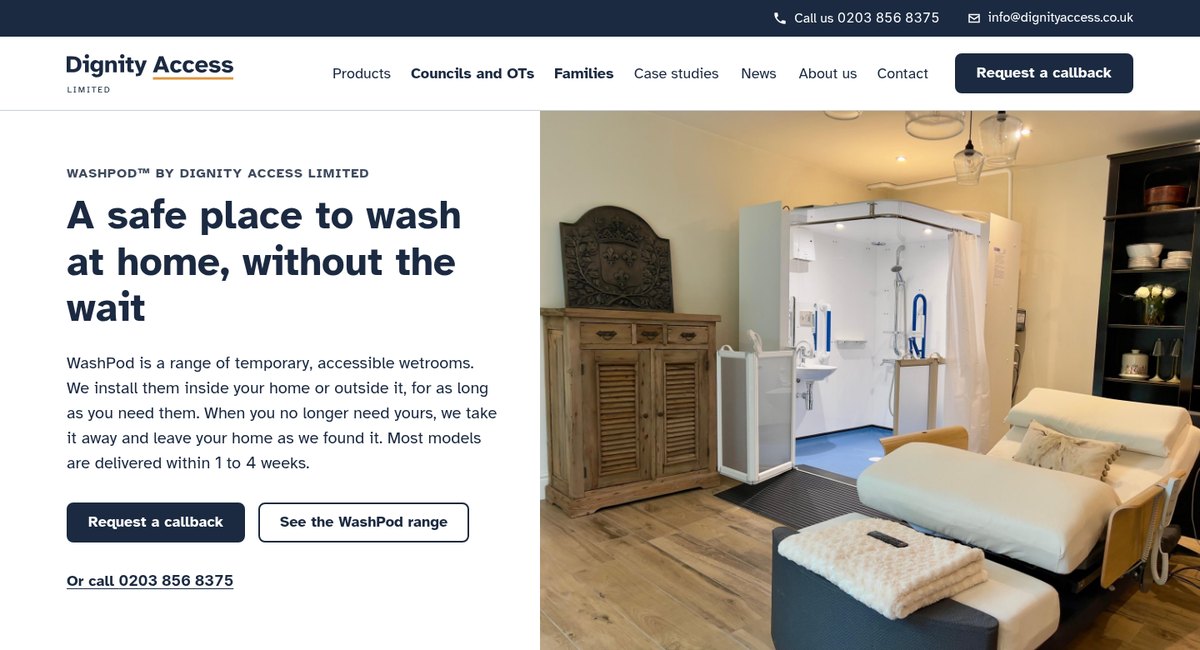
Brand, literature and a new website for the company behind WashPod accessible wetrooms, which help people stay at home or come home from hospital, including a brochure for councils and occupational therapists.
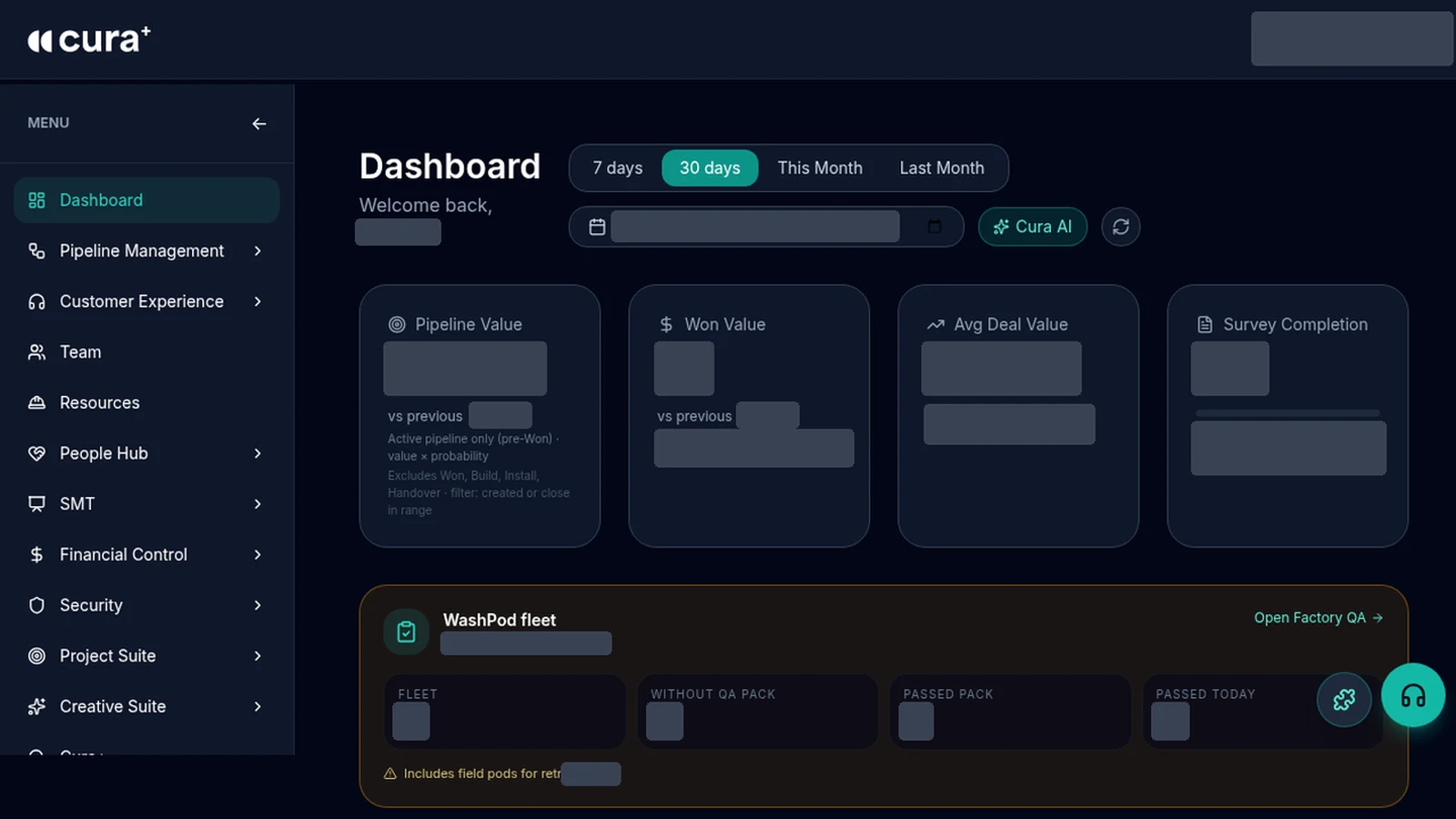
Workflow improvements, alerts, a weekly KPI email and short staff training videos for an operations platform.
Most projects start small: one pathway, one service or one team. In a discovery call we will ask where things get stuck for you, what data you already have, and what a good result would look like. Then we will suggest a first piece of work with a clear scope and fee.
We work with suppliers, care providers and innovators, and with NHS and council teams where that fits.
We only publish results that have been measured and that the client has approved. Our case studies describe what we did, not numbers we cannot stand behind.
No. Decisions about whether someone is ready to leave hospital are clinical. We work on the processes, data, tools, training and communication around them, alongside your clinical leads.
From named public sources, listed at the foot of this page with dates. We update them when new data is published.
Figures checked on 14 October 2026.

Tell us about the pathway, service or team you want to improve. A free discovery call is the easiest way to find out whether we can help.

Use the previous and next buttons, swipe, or the left and right arrow keys on a link to move through the posts.

Small usability tests and simpler forms are two of the cheapest ways to improve a new website, app or digital product before launch. Here is how to do both.
What Skills for Care's figures say about care worker turnover, why the first year matters most, and practical ways providers can help good carers stay.
What the latest NHS England figures show about delayed discharge, why delays build up at handovers, and practical ways to help people get home.
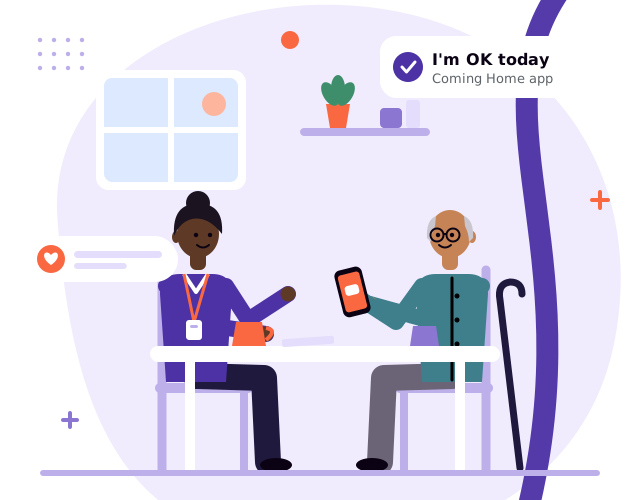
Where AI genuinely helps a business grow, where it does not, and how to start safely, especially if you work in health and care.

Selling to the NHS and councils is different. Who decides, the rules that shape buying, the assurance buyers expect, and how to plan your route in.

Most registered care services in England now use a digital social care record. Here is what the next step looks like, and how to get more from the system you already have.
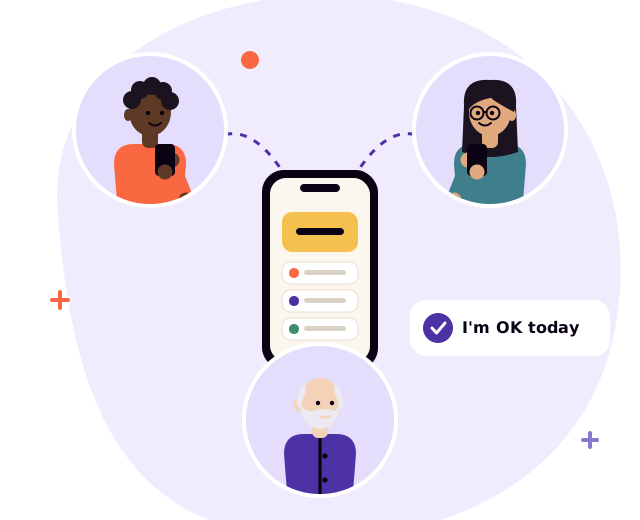
One in four people in the UK are disabled. Why accessible websites and apps matter, what WCAG 2.2 AA means, and how to build it in from day one.

Around five million people in England and Wales provide unpaid care. Practical ways to design services, apps and information that fit around their lives.

Fewer features, fewer messages, fewer steps. Why doing less, on purpose, often makes products, brands and services better for the people who use them.
Before you choose software, decide where the truth lives. How to pick a tech stack that grows with you, built around a single source of truth.